I’m Dr. Richard Odemer, a terrestrial ecotoxicologist at the Julius Kühn-Institut’s Institute for Bee Protection. My research focuses on sublethal pesticide effects, honey bee colony health, and field-realistic pollinator monitoring in agricultural landscapes.
On this website, you can explore my research, current and past projects, and publications. If you would like to collaborate, please get in touch.
- Research focus: sublethal effects • PPP–pathogen interactions • colony development
- Methods: RFID tracking • automated flight counting • capacitive sensor technology • long-term monitoring
- Applied context: realistic beekeeping scenarios • agricultural landscapes • regulatory relevance
Research focus
A core strand of my work examines how plant protection products (PPPs) interact with pathogens and how sublethal, non-lethal exposures affect individual bees and whole colonies. I aim to generate evidence that improves pesticide risk assessment and supports pollinator-friendly agricultural practice.
Field-realistic monitoring & projects
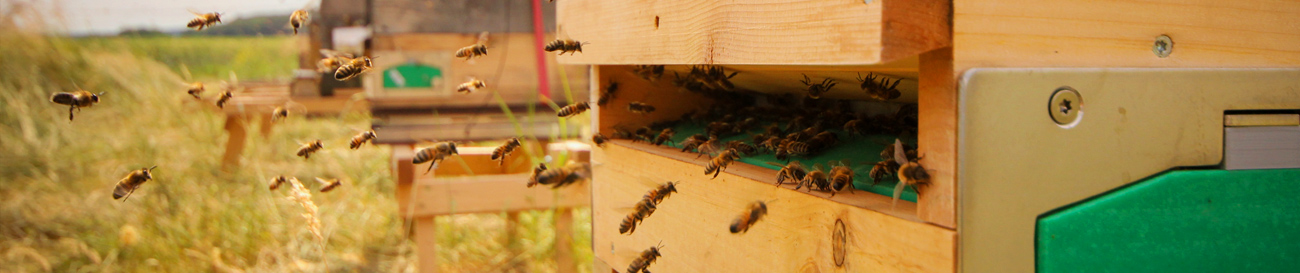
I lead honey-bee monitoring in real agricultural landscapes within the FInAL project, linking seasonal forage use and PPP residues to colony development under field conditions. Previously, I coordinated VIBEE and co-launched NutriBee, investigating interacting stressors such as fungicide exposure and pollen deprivation at the colony level.
Methods
To detect effects that often go unnoticed, I combine classical apicultural methods with modern technologies such as RFID tagging, automated flight counters, and capacitive sensor systems. This integrative approach helps bridge experimental precision with ecological realism.
Explore
- Publications – full list of peer-reviewed articles and reports
- Research & projects – current topics, study systems, and collaborations
- Curriculum vitae – academic background and appointments
- Beekeeping – practical work connected to research
- Contact – collaboration and inquiries
Related activities
- Associate Editor at the “Journal of Applied Entomology”
- Member of the „International Commission for Plant-Pollinator Relationships (ICP-PR)“
- Member of the „Prevention of honey bee COlony LOSSes (COLOSS)“ network
- Project monitor for research programs of the European Commission
- OECD peer reviewer for ecotoxicity testing